Der Traum vom eigenen Buch
Du hast eine Geschichte im Kopf. Vielleicht einen Roman, ein Sachbuch, oder deine Memoiren. Aber zwischen der Idee und dem fertigen Buch liegen Monate – oft Jahre – harter Arbeit. KI verspricht, diesen Prozess zu beschleunigen. Aber wie nutzt man sie richtig?
Dieser Artikel fasst die wichtigsten Erkenntnisse zusammen, die wir aus Gesprächen mit Hunderten von Autoren gewonnen haben. Den ganzen Weg – von der Idee über Figuren und Plot bis zum fertigen Buch – beschreibt unser Praxis-Guide Buch schreiben mit KI.
Der größte Fehler: KI wie einen Ghostwriter behandeln
Viele starten mit der Erwartung: "Ich sage der KI, worum es geht, und sie schreibt mein Buch." Das funktioniert nicht. Hier ist warum:
Das Ergebnis ist generisch. Ohne deine persönliche Stimme, ohne dein spezifisches Wissen, ohne deine einzigartige Perspektive produziert KI austauschbaren Text. Der klingt vielleicht gut – aber er klingt wie jeder andere KI-generierte Text.
Du verlierst die Kontrolle. Ein Buch braucht eine Vision. Wenn du die KI "einfach machen lässt", bekommst du deren Vision – nicht deine.
Es fehlt die Seele. Leser merken, wenn ein Text keine Persönlichkeit hat. Selbst wenn die Grammatik perfekt ist und die Struktur stimmt – irgendetwas fehlt.
Der richtige Ansatz: KI als Werkzeug, nicht als Autor
Die erfolgreichsten KI-gestützten Bücher entstehen, wenn Autoren die KI als Werkzeug nutzen, nicht als Ersatz für sich selbst.
1. Nutze KI für die Struktur
Bevor du anfängst zu schreiben, brauchst du einen Plan. Hier kann KI enorm helfen:
- Kapitelstruktur entwickeln: Lass dir Vorschläge für den Aufbau machen
- Plotlinien skizzieren: Bei Romanen: Welche Handlungsstränge, welche Wendepunkte?
- Recherche zusammenfassen: Bei Sachbüchern: Welche Themen gehören wohin?
Wichtig: Übernimm diese Vorschläge nicht blind. Sie sind Ausgangspunkte für dein eigenes Denken.
2. Investiere Zeit in deine Charaktere
Bei Romanen ist das der kritischste Punkt. Flache Charaktere töten jede Geschichte – und KI neigt dazu, Stereotypen zu produzieren, wenn du ihr keine Tiefe gibst.
Was gut funktioniert:
- Detaillierte Charakterprofile erstellen: Nicht nur Aussehen und Alter, sondern Persönlichkeit, Ängste, Wünsche, Widersprüche
- Sprachmuster definieren: Wie redet dieser Charakter? Welche Wörter benutzt er nie?
- Beziehungsdynamiken festlegen: Wie interagieren die Charaktere miteinander?
Je mehr du hier investierst, desto besser wird jeder einzelne Dialog.
3. Schreibe die Schlüsselszenen selbst
Nicht jede Seite deines Buches hat denselben emotionalen Wert. Es gibt Szenen, die das Herz der Geschichte sind – und die solltest du selbst schreiben.
- Emotionale Höhepunkte: Der Moment, in dem der Held alles verliert. Das erste Kuss-Szene. Die finale Konfrontation.
- Charakterdefinierende Momente: Szenen, die zeigen, wer ein Charakter wirklich ist
- Deine Stimme: Passagen, die deinen einzigartigen Stil zeigen sollen
KI kann dann die verbindenden Passagen schreiben – die Übergänge, die Beschreibungen, die weniger kritischen Dialoge.
4. Das Problem der Konsistenz lösen
Hier liegt die größte Herausforderung beim Buchschreiben mit KI: Konsistenz über Hunderte von Seiten.
Wenn du mit einem Chat-Interface wie ChatGPT arbeitest, vergisst die KI nach einer Weile, was vorher passiert ist. In Kapitel 5 hat dein Charakter plötzlich blaue Augen statt grüne. In Kapitel 8 erwähnt er einen Bruder, der in Kapitel 3 nie existiert hat.
Manuelle Lösung: Du könntest bei jedem Prompt alle relevanten Informationen miteinfügen. Das funktioniert – aber es ist mühsam und fehleranfällig.
Bessere Lösung: Spezialisierte Buch-Software mit integrierter KI, die automatisch den Kontext verwaltet. Sie "weiß" immer, welche Charaktere in der aktuellen Szene sind, was vorher passiert ist, und welche Details konsistent bleiben müssen.
5. Den Überblick behalten
Ein Roman hat typischerweise 70.000 bis 100.000 Wörter. Ein Sachbuch 40.000 bis 60.000. Das sind Hunderte von Seiten mit Handlungssträngen, Charakterentwicklungen, Fakten und Details.
Was du brauchst:
- Kapitelübersichten: Was passiert in jedem Kapitel, auf einen Blick?
- Charakterbögen: Wie entwickelt sich jeder Charakter über das Buch hinweg?
- Plottracking: Welche Handlungsstränge sind offen, welche abgeschlossen?
- Konsistenz-Checks: Widerspricht sich das Buch irgendwo selbst?
Mit einem einfachen Chat-Interface ist das kaum zu managen. Du brauchst eine Struktur, die mit der Komplexität eines Buches umgehen kann.
6. Überarbeiten, überarbeiten, überarbeiten
Der erste Entwurf ist nie das fertige Buch – egal ob mit oder ohne KI. Aber KI kann auch hier helfen:
- Stilanalyse: Ist der Text konsistent im Ton? Gibt es überflüssige Wiederholungen?
- Pacing-Check: Ist die Geschichte an manchen Stellen zu langsam, an anderen zu gehetzt?
- Dialog-Verbesserung: Klingen die Gespräche natürlich? Hat jeder Charakter seine eigene Stimme?
Wichtig: Lass nicht die KI alles umschreiben. Nutze ihre Analyse als Input für deine eigenen Überarbeitungen.
Die Werkzeug-Frage: Chat vs. spezialisierte Software
Viele starten mit ChatGPT, Claude oder ähnlichen Chat-Interfaces. Das kann für kürzere Texte funktionieren. Aber für ein ganzes Buch stößt man schnell an Grenzen:
Probleme mit Chat-Interfaces:
- Kein dauerhaftes Gedächtnis für dein Buch
- Keine Struktur für Kapitel, Charaktere, Orte
- Kein Export in Buch-Formate
- Manuelles Copy-Paste von Kontext bei jedem Prompt
- Keine Übersicht über das Gesamtwerk
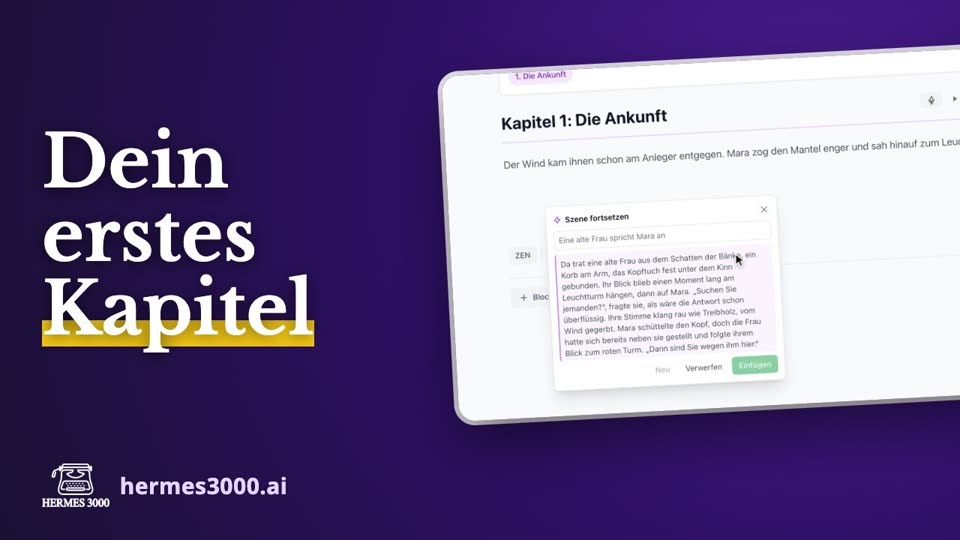
Was spezialisierte Buch-Software bietet:
- Persistente Datenbank für alle Elemente deines Buches
- Automatisches Context-Management bei der Textgenerierung
- Strukturierte Kapitel- und Szenenverwaltung
- Export in EPUB, PDF und andere Formate
- Werkzeuge für Konsistenz-Checks und Überarbeitung
Der Unterschied ist wie zwischen einem Texteditor und einer professionellen Schreibsoftware: Beides kann Wörter auf den Bildschirm bringen, aber nur eines ist für die Komplexität eines Buches ausgelegt.
Die häufigsten Fallstricke
"Ich lass die KI einfach weiterschreiben"
Ohne klare Anweisungen produziert KI generischen Text. Jede Szene braucht einen Zweck, eine Richtung. Was soll der Leser fühlen? Was soll enthüllt werden?
"Das klingt gut genug"
Der erste Output ist selten der beste. Experimentiere mit verschiedenen Prompts, verschiedenen Anweisungen, verschiedenen Ansätzen. Oft ist Version 3 oder 4 deutlich besser als Version 1.
"Ich kümmere mich später um die Details"
Details machen Geschichten lebendig. Wenn du sie aufschiebst, bekommst du generische Beschreibungen. Investiere früh in die Ausarbeitung deiner Welt.
"Mehr KI-Text = schneller fertig"
Schneller ja, besser nein. Ein Buch mit 80% KI-Text und 20% deinem Text liest sich anders als eines mit 50/50 oder 20/80. Finde das Verhältnis, das zu deiner Vision passt.
Fazit: KI macht dich nicht zum Autor – aber sie macht dich produktiver
KI kann dir nicht abnehmen, eine gute Geschichte zu erfinden. Sie kann dir nicht abnehmen, interessante Charaktere zu entwickeln. Sie kann dir nicht abnehmen, deinen eigenen Stil zu finden.
Aber sie kann dir abnehmen:
- Stundenlang auf ein leeres Blatt zu starren
- Mühsame Übergänge zu schreiben
- Beschreibungen auszuformulieren, die du im Kopf hast
- Varianten zu generieren, aus denen du wählen kannst
Der Schlüssel ist, KI als das zu nutzen, was sie ist: ein mächtiges Werkzeug in den Händen eines Menschen mit einer Vision.
Und das richtige Werkzeug macht den Unterschied. Ein Chat-Interface kann der Anfang sein. Aber für ein echtes Buch brauchst du Software, die für die Komplexität eines Buches gebaut ist – mit Charakterdatenbanken, Kapitelstruktur, Context-Management und Export-Funktionen.
Dein Buch wartet darauf, geschrieben zu werden. Die Werkzeuge sind besser als je zuvor. Die Frage ist nur: Fängst du an?